INQUIRY
Leave Your Message
0%

In today’s fast-changing tech scene, Lan Transformershave become pretty essential. Experts from big manufacturing companies keep emphasizing how important certifications are. Mark Johnson, who’s a lead engineer at Dynamic Electronics, mentions, “Quality certification isn’t really something you can compromise on when it comes to Lan Transformers.” That really shows how serious the industry is about reliability and top-notch performance.

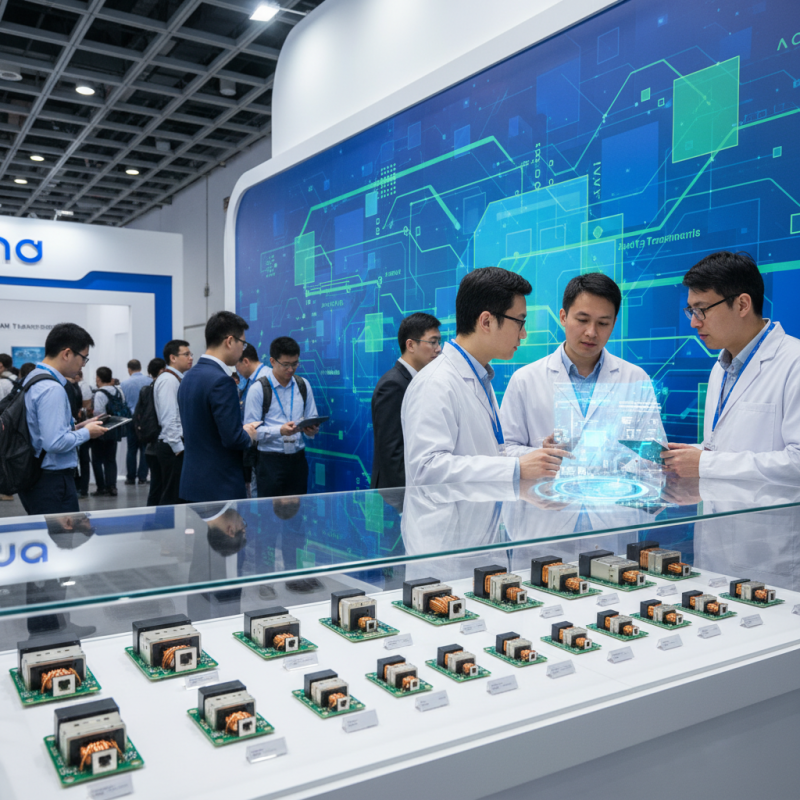
The demand for certified OEMs is actually growing quite a bit. Companies are constantly coming up with new innovations to meet these tough market standards. A Lan Transformer isn’t just supposed to work — it needs to meet the highest quality standards too. At trade shows, you often see the latest tech and some of the challenges the industry is facing.

That said, there are still some gaps. A few manufacturers have trouble staying fully compliant, which raises questions about how dependable they really are. Making sure that Lan Transformers are built to high-quality standards is super important — even one small mistake can mess up an entire project. As more companies jump into this space, the need for oversight and peer reviews becomes even clearer. It’s all about making sure these Transformers don’t just meet expectations — they go beyond.
Top OEM CE Certification Lan Transformer Manufacturer Insights?

Understanding OEM and CE Certification in the Transformer Industry

Understanding OEM and CE Certification in the Transformer Industry

The transformer industry relies heavily on OEM and CE certification. These certifications ensure product quality and safety. Many manufacturers seek OEM partnerships to enhance their credibility. OEM means original equipment manufacturer. This relationship allows companies to meet specific requirements for various markets. A strong OEM partnership can improve reliability and trust.

CE certification is crucial in Europe. It signifies compliance with health and safety standards. A product with CE marking is considered safe for consumers. This is essential for transformers like the 2.5g Base -Lan Transformer. This model must meet strict guidelines, impacting design and production. Manufacturers often face challenges in achieving these certifications. The process can be lengthy and complex.

Not all manufacturers understand these certifications equally. Some may overlook vital testing protocols, leading to delays. This highlights the need for expertise in the certification process. Engaging consultants is a common strategy. However, this can add costs. Balancing cost and quality remains a continuous challenge. Ultimately, achieving OEM and CE certifications reflects a commitment to excellence in the transformer industry.

Key Characteristics of High-Quality LAN Transformers from Manufacturers

High-quality Lan Transformers are essential for network efficiency and reliability. They are critical components in data transfer, especially in Power over Ethernet (PoE) applications. According to industry reports, transformers can influence signal integrity and device longevity. Manufacturers must focus on specific characteristics to provide optimal performance.

One key aspect is the magnetic core material. High-grade materials can result in lower losses and better thermal management. The winding technique also plays a vital role, as it impacts inductance and coupling efficiency. Research shows that poor winding can lead to overheat and signal distortion. Therefore, selecting a skilled manufacturer can significantly affect overall network performance.

Tips: When evaluating manufacturers, consider their quality control processes. Ensure they have a robust testing protocol in place. Look for certifications and compliance with industry standards. A manufacturer’s experience in Poe Lan Magnetics can also speak volumes about their expertise. Remember, not all manufacturers meet the same quality benchmarks; some may lack critical certifications. It's essential to do thorough research to identify the right partner.

The Importance of CE Certification for Transformers in Global Markets

CE certification plays a crucial role in the global transformer market. It ensures that products meet essential safety and environmental standards. In Europe, this certification is mandatory. For manufacturers, it enhances credibility and market access. According to a report by MarketsandMarkets, the global transformer market is expected to reach USD 97.9 billion by 2027. CE certification can significantly influence a company’s competitive edge in this growing market.

Transformers without CE certification often face limited acceptance in various countries. Compliance with these standards not only improves product reliability but also boosts consumer confidence. A survey by Industry ARC shows that 42% of consumers prioritize CE certification when purchasing electrical equipment. However, many manufacturers find it challenging to navigate the complex certification process. This often leads to delays in product launches, affecting potential revenue.

In some cases, companies may rush to obtain certification without fully understanding its implications. This can lead to non-compliance and costly recalls. The importance of thorough testing and adherence to guidelines cannot be overstated. Investing in robust quality assurance processes is essential for long-term success. Ultimately, CE certification remains a vital step for transformer manufacturers aiming to thrive in international markets.

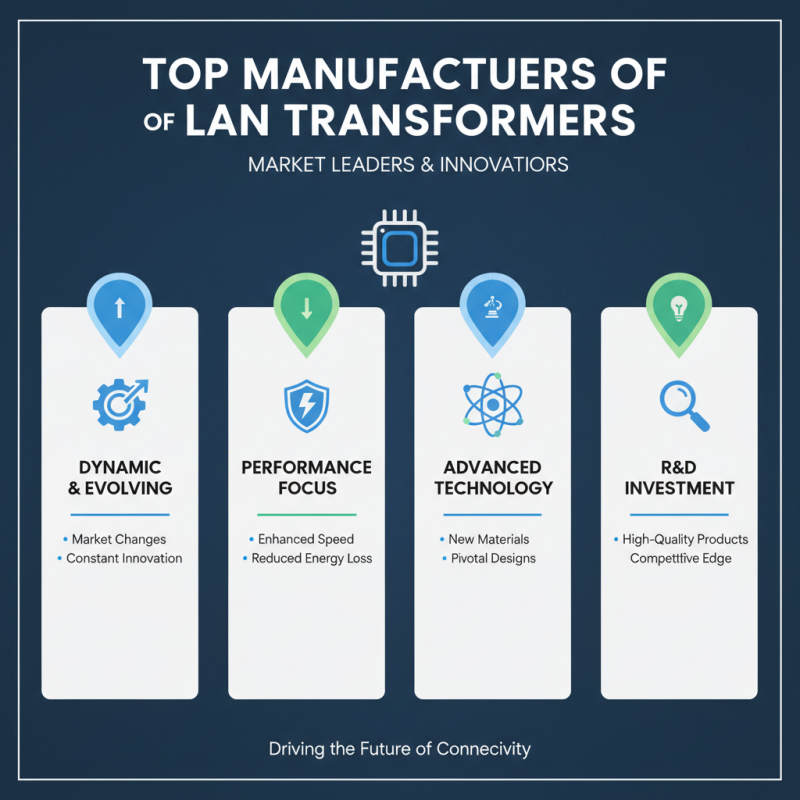
Top Manufacturers of LAN Transformers: Market Leaders and Innovations

Top OEM CE Certification Lan Transformer Manufacturer Insights?

The Lan Transformer market is dynamic and evolving. Key manufacturers are continuously innovating to stay competitive. Their focus is on enhancing performance and minimizing energy losses. Advanced materials and designs are pivotal in this pursuit. These companies invest heavily in research and development. This allows them to offer high-quality products.

One notable trend is the integration of smart technology. Manufacturers are developing transformers that can communicate with other devices. This innovation improves network efficiency and reliability. Some companies are experimenting with eco-friendly materials. The aim is sustainability in product development.

Challenges persist in this industry. Balancing performance with cost remains critical. Some manufacturers struggle with production scalability. Additionally, meeting regulatory requirements can be burdensome. However, these obstacles drive creativity and innovation. Companies are continually looking for ways to refine their processes and solutions. The future holds promise, with innovations that could transform the LAN landscape.

Assessing Reliability and Performance of Transformers from OEMs

When evaluating transformers from OEMs, reliability and performance are key factors. These components must withstand various operational conditions. They play a crucial role in maintaining power quality and efficiency. Analyzing transformer designs reveals their impact on performance. High-quality materials often lead to better performance and longevity, but sourcing these materials can be challenging.

Manufacturers often face difficulties in achieving consistent quality. Some transformers may not meet expected standards, leading to concerns about their reliability. Testing certifications are essential, but they may not always cover real-world applications. It is important to consider user feedback and field data when assessing a transformer's reliability.

Transparency in manufacturing processes is vital. OEMs that provide detailed specifications and lab results often gain greater trust. However, some manufacturers lack the necessary insight into their components’ performance in diverse environments. This gap can affect long-term reliability and ultimately, customer satisfaction. Attention to these details can drive improvements and foster better partnerships within the industry.

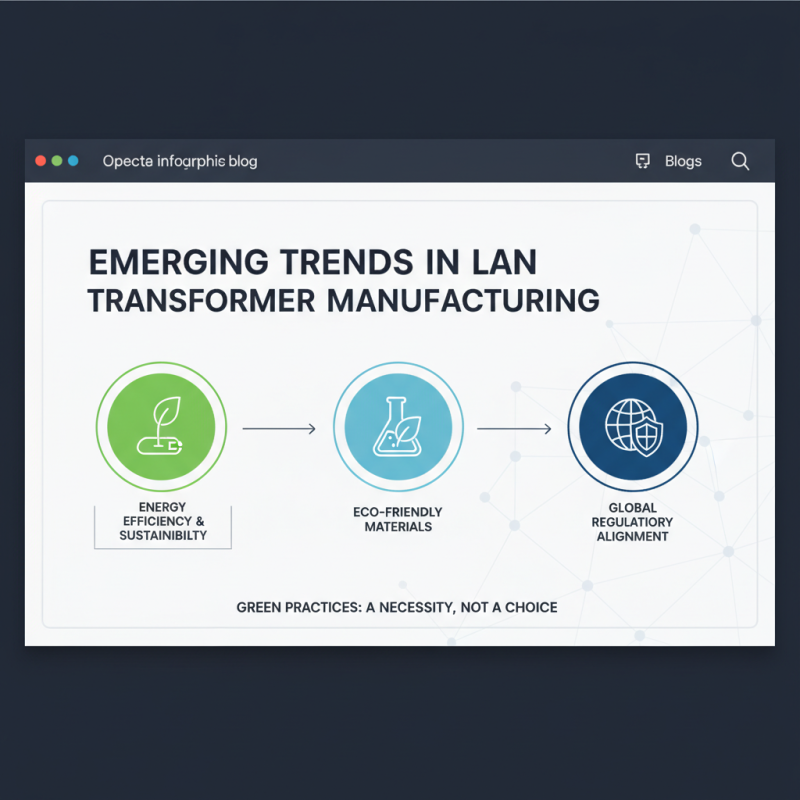
Emerging Trends in the LAN Transformer Manufacturing Sector

Top OEM CE Certification Lan Transformer Manufacturer Insights?

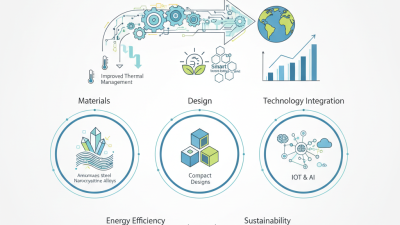
The Lan Transformer manufacturing sector is evolving rapidly. There is a noticeable shift towards energy efficiency and sustainability. Manufacturers are integrating eco-friendly materials into their production processes. This trend not only benefits the environment but also aligns with global regulatory standards. Adopting green practices is becoming a necessity, not just a choice.

Moreover, the rise of smart technology influences Lan Transformer designs. Aging infrastructure needs upgrades to handle modern data demands. Many manufacturers are exploring innovative designs forRf Transformers to improve performance. Enhanced data transmission capabilities are essential for the growing Internet of Things (IoT) landscape. However, companies must also address the complexities involved in transitioning to these advanced technologies. Balancing innovation with reliability poses a continuous challenge.

With these emerging trends, staying relevant is crucial. Manufacturers must remain informed about evolving consumer preferences. Regular training and investment in research are vital for long-term success. The path forward includes navigating these challenges while embracing the potential benefits of new technologies. The constant evolution in the sector demands both resilience and adaptability.

Challenges Faced by OEMs in Achieving CE Certification for Transformers

Achieving CE certification for transformers poses significant challenges for Original Equipment Manufacturers (OEMs). The process demands strict compliance with health, safety, and environmental regulations outlined by the European Union. A recent industry report states that nearly 40% of OEMs encounter difficulties in meeting these rigorous standards. The intricate nature of regulatory requirements often leads to project delays and increased costs.

One prominent challenge involves the design phase. OEMs must ensure that their Pcb Transformer designs not only meet functional specifications but also adhere to CE guidelines. This dual requirement complicates the development process. Many manufacturers find that extensive testing and modifications are necessary to achieve compliance. Additionally, remaining up-to-date with evolving regulations can be overwhelming. Data indicates that 30% of OEMs lack adequate resources to conduct thorough compliance assessments.

Moreover, when integrating advanced technologies, the risk of non-compliance escalates. Automation and smart technologies in transformers can inadvertently lead to safety hazards if not correctly managed. OEMs struggle to balance innovation with the need to satisfy regulatory demands. This constant tension raises the possibility of failing to achieve CE certification on the first attempt, leading to wasted investments. It is essential for manufacturers to recognize these hurdles and prioritize compliance from the outset.

Top OEM CE Certification Lan Transformer Manufacturer Insights

Challenge Description Impact on Certification Possible Solutions
Regulatory Changes Frequent updates in CE certification standards require ongoing compliance checks. Increased costs and delays in obtaining certification. Stay updated with EU regulations and allocate resources for regular training.
Documentation Compiling and maintaining the necessary technical documentation and reports is often complex. Risk of non-compliance during audits without proper documentation. Implement a systematic documentation management system.
Testing Procedures Transformers must undergo varying testing protocols which can be time-consuming. Delayed time-to-market and potential financial losses. Invest in advanced testing facilities to streamline the process.
Cost of Compliance High costs associated with certifications, particularly for small manufacturers. Limits competition and market entry for smaller players. Seek out government grants or subsidies for compliance support.
Supply Chain Issues Dependence on suppliers for components that meet CE standards can cause delays. Increased lead times and risk of product recalls. Develop relationships with multiple certified suppliers.

Enhancing Network Connectivity: The Importance of 100/1000 BASE-T PG24101G RJ45 to RJ11 LAN Transformer

In today's fast-paced technological landscape, enhancing network connectivity is crucial for a wide array of applications, from industrial automation to medical equipment. The 100/1000 BASE-T PG24101G RJ45 to RJ11 Lan Transformer stands out as a key component in ensuring reliable and efficient network communication. With its compatibility for 260°C reflow soldering and its RoHS compliance, this transformer is designed to meet the rigorous demands of modern electronic systems, allowing for better signal integrity and performance.

Operating within a broad temperature range of -40°C to +125°C, the 100/1000 BASE-T PG24101G is well-suited for environments where reliability is non-negotiable. Its storage conditions, capable of withstanding temperatures up to 60°C and relative humidity below 75%, make it an ideal choice for various applications including solar inverters, AC motor drives, and protection relays. This versatility not only enhances the efficiency of existing systems but also plays a vital role in advancing the integration of low-power interfaces across diverse industrial sectors. As connectivity continues to evolve, utilizing such innovative components is essential for optimizing overall system performance.

FAQS

: What is the significance of CE certification for transformers?

: CE certification ensures transformers meet safety and environmental standards, crucial for market acceptance, especially in Europe.

How does CE certification impact consumer confidence?

Many consumers prioritize CE certification when buying electrical equipment, boosting trust in product reliability and safety.

What challenges do manufacturers face during CE certification?

Manufacturers often struggle with navigating complex regulations and may face delays and increased costs in achieving compliance.

How can rushing the certification process backfire?

Companies may achieve certification without understanding implications, leading to non-compliance and costly product recalls.

What are current trends affecting transformer manufacturing?

Trends include a shift toward energy efficiency and the integration of eco-friendly materials to meet global standards.

How does technology influence transformer designs?

The rise of smart technology prompts modifications in transformer designs to enhance data transmission for the Internet of Things.

What production issues do OEMs encounter during design phases?

OEMs find it challenging to meet functional specifications while also adhering to CE guidelines, complicating development.

Why is staying informed about regulations important?

Evolving regulations can overwhelm manufacturers, making continuous training and resource investment critical for compliance.

How does innovation create compliance challenges?

Incorporating advanced technologies can increase the risk of safety hazards, complicating the balancing act between innovation and compliance.

What happens if manufacturers fail CE certification on the first attempt?

Failing certification can lead to wasted investments and additional delays, underscoring the need for proper compliance planning.

Conclusion

The article "Top OEM CE Certification Lan Transformer Manufacturer Insights" delves into the critical aspects of OEM and CE certification within the transformer industry, particularly focusing on Lan Transformers. It outlines the key characteristics that distinguish high-quality Lan Transformers, emphasizing factors such as reliability, performance, and the significance of CE certification in facilitating market access across different regions.

Furthermore, the article highlights the leading manufacturers in the Lan Transformer sector, showcasing their innovative approaches and the emerging trends shaping the market. It also addresses the challenges that OEMs encounter in obtaining CE certification, which is essential for ensuring product acceptance in global markets. This comprehensive analysis provides valuable insights into the Lan Transformer manufacturing landscape, underscoring the importance of quality and certification in driving industry standards.

Liam

Liam

Liam is a seasoned marketing professional at Zhuhai Eastever Electronic Co., Ltd., where he has dedicated over a decade to promoting advancements in passive electronic components. With an exceptional understanding of the industry, he specializes in the research, development, production, and sales......
Previous 2026 Best Current Transformer Options for Global Buyers?